2-Pac
Tupac Amaru Shakur stands as one of hip‑hop’s most enduring symbols — an artist whose work blurred the line between poetry, prophecy, and lived experience. Born in East Harlem and raised between New York, Baltimore, and the Bay Area, Pac carried the weight of multiple worlds on his shoulders. His music reflected that tension: the revolutionary fire inherited from the Panthers, the vulnerability of a young Black man navigating America, and the charisma of a star who understood his own myth in real time.
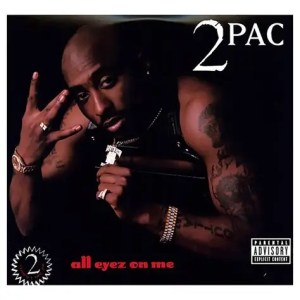
Albums like “2Pacalypse Now”, “Me Against the World”, and “All Eyez on Me” showcased an artist who could shift from political urgency to street reportage to raw confession without losing coherence. Pac didn’t just rap about struggle — he humanized it. He could deliver a blistering critique of systemic oppression one moment and a tender meditation on family the next.
What made Tupac singular wasn’t just his talent, but his emotional range. He embodied contradictions: militant and empathetic, fiery and reflective, reckless and visionary. That complexity is why his work still resonates decades later. Pac wrote with the urgency of someone who knew time was limited, and his catalog feels like a message in a bottle from a man trying to save both himself and his community.
For Past Due Reviews, Tupac represents the blueprint — an artist who treated rap as literature, activism, and autobiography all at once. His legacy isn’t frozen in the ’90s; it continues to shape how artists tell their stories today.
Release Timeline
- 1996 — All Eyez On Me
All Reviews